🎄Celebrate Christmas With Us!

[aioseo_breadcrumbs]

Videos

THTI’s S.E.A Culinary Camp Featured On Tobago Updates

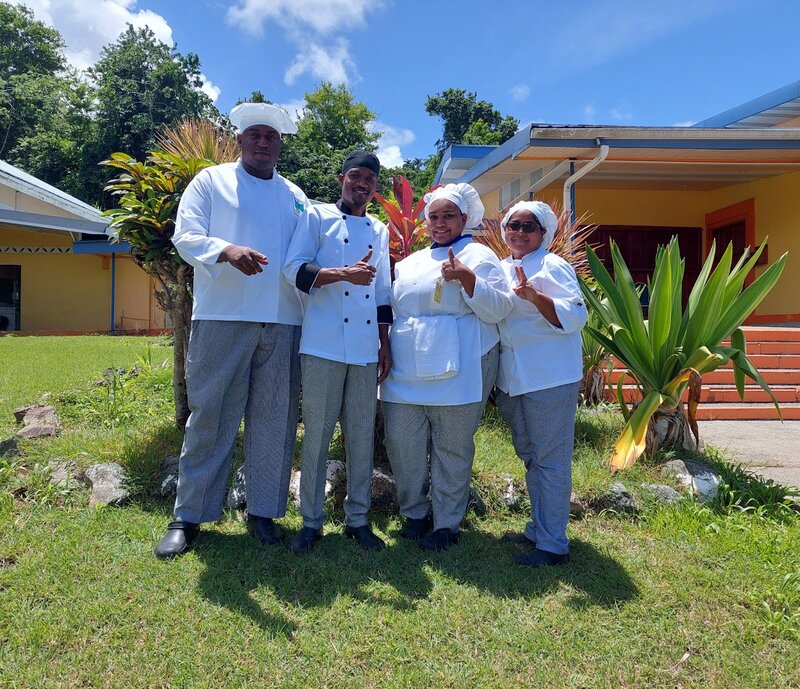
Source: Tobago Updates Youtube Channel In an effort to cultivate the culinary passions of SEA students students, the Tobago Hospitality and Tourism Institute (THTI) has launched the SEA Brain Cooler Culinary Camp. This specially curated program aims to introduce young enthusiasts to the vibrant flavors of the Caribbean while honing their skills in the culinary arts. Trevecia Phillips has more.

Post-Event Evaluation and Analysis for Continuous Improvement

Video Credit: Jade Kelly Youtube Channel Organizing a successful event requires careful planning, coordination, and execution. But the work doesn’t end when the event concludes. Conducting a comprehensive post-event evaluation and analysis is crucial for assessing its success, identifying areas for improvement, and making informed decisions for future events.  Define Evaluation Objectives Before diving into the evaluation process, clearly define your objectives. What aspects of the event do you want to assess? Common evaluation areas include attendee satisfaction, logistical effectiveness, financial performance, marketing impact, and achievement of event goals. Having specific objectives will help guide your evaluation efforts. Gather Feedback from Stakeholders Collect feedback from all relevant stakeholders, including attendees, sponsors, exhibitors, staff, and volunteers. Use surveys, feedback forms, and interviews to gather quantitative and qualitative data. Ask about their overall experience, specific aspects of the event, suggestions for improvement, and whether their goals were met. Ensure anonymity when necessary to encourage honest and constructive feedback. Analyze Attendee Satisfaction Evaluate attendee satisfaction to understand their perception of the event. Analyze survey responses, ratings, and comments to identify strengths and weaknesses. Assess factors such as event content, speaker quality, networking opportunities, logistics, and facilities. Pay attention to recurring themes or concerns raised by attendees and prioritize addressing them in future events. Assess Financial Performance Evaluate the financial performance of the event to determine its profitability and cost-effectiveness. Compare actual expenses with the budgeted amounts to identify any discrepancies. Analyze revenue sources, such as ticket sales, sponsorships, and merchandise, to determine their impact on the event’s financial success. Assess the return on investment (ROI) for various aspects of the event, such as marketing campaigns or additional revenue streams. Review Logistical Effectiveness Evaluate factors such as venue selection, layout, registration process, event flow, signage, and audiovisual setup. Identify any bottlenecks, delays, or technical issues that occurred during the event. Review the efficiency of vendor management, security measures, and emergency response protocols. Consider feedback from staff and volunteers to gain insights into operational challenges and opportunities Analyze Marketing and Promotion Review your marketing and promotion efforts to determine their effectiveness in attracting attendees and generating interest. Assess the reach and engagement of your marketing channels, such as social media, email campaigns, advertising, and media coverage. Analyze metrics like website traffic, social media impressions, click-through rates, and conversion rates to evaluate the impact of your marketing strategies. Identify areas where marketing efforts can be optimized for better results. Compare against Event Goals Evaluate the extent to which the event achieved its predetermined goals and objectives. Compare the actual outcomes with the desired outcomes to assess success and identify gaps. Determine whether attendance targets were met, whether revenue goals were achieved, and whether the event effectively communicated its key messages. Reflect on the alignment between the event’s purpose and the experience delivered to attendees. Identify Improvement Opportunities Based on the evaluation findings, identify specific areas for improvement. Prioritize the most critical issues that need attention and develop action plans to address them. Encourage cross-functional collaboration among team members to implement changes effectively. Documentation Capture key learnings and best practices from the event to inform future planning. Document successes, challenges, and actionable insights. Maintain a central repository of lessons learned that can be referenced by the event planning team for future events. Unlock your potential and elevate your career with the upcoming short courses at THTI! Whether you’re a seasoned hospitality professional looking to refine your skills or someone eager to break into the events and hosting industry, our courses offer a gateway to professional development and success. Led by industry experts and designed to provide practical, hands-on experience, our upcoming Events Management short courses are designed to equip you with the knowledge and skills needed to excel in today’s competitive landscape.  Don’t miss out on this opportunity to invest in yourself and take your career to new heights.  Reference Bowdin, G., Allen, J., O’Toole, W., Harris, R., & McDonnell, I. (2016). Events management (5th ed.). Routledge.


Professionalism and Etiquette: Creating Positive Impressions in Customer Interactions

5 Proper Workplace Etiquette Tips to Practice for Professional Success – Nationwide Youtube Channel In today’s highly competitive business landscape, the significance of professionalism and etiquette cannot be overstated. Whether you’re engaging with clients face-to-face, over the phone, or through digital channels, every interaction shapes the perception of your brand and influences customer satisfaction. Therefore, mastering the art of professionalism and etiquette is essential for building trust, fostering positive relationships, and ultimately driving business success. Professionalism encompasses a broad spectrum of behaviours and attributes that reflect competence, integrity, and respect for others. It involves maintaining a high standard of conduct, adhering to organizational policies, and demonstrating proficiency in your role. Etiquette, on the other hand, refers to the customary rules of behavior governing social and professional interactions. It encompasses politeness, courtesy, and cultural sensitivity, guiding how individuals should communicate and behave in various situations. In the realm of customer service, professionalism and etiquette play a pivotal role in shaping the customer experience. Every interaction with a customer is an opportunity to reinforce your brand values and leave a lasting impression. Positive interactions not only enhance customer satisfaction but also contribute to customer loyalty and advocacy. Conversely, lapses in professionalism or breaches of etiquette can erode trust, damage relationships, and harm the reputation of your business. Professionalism and etiquette are indispensable elements of customer service excellence. By embodying these principles in your interactions with customers, you not only enhance the reputation of your business but also foster long-term relationships built on trust and mutual respect.  Remember, every interaction is an opportunity to make a positive impression and create memorable experiences for your customers. Embrace these techniques and watch as your business thrives in the competitive marketplace. Are you an industry professional, a service provider or simply an upcoming entrepreneur seeking to improve your customer service skills? The Tobago Industry Customer Service Training Programme is the ideal course for you! It is a  FREE Customer Service Training Programme aimed at enhancing the overall delivery of customer service and excellence in the workplace. To enrol click here and be sure  to visit our website to learn more about our associate degree programmes in the field of hospitality and tourism and upcoming short courses! References

A day in the Life of an Airport Team Leader

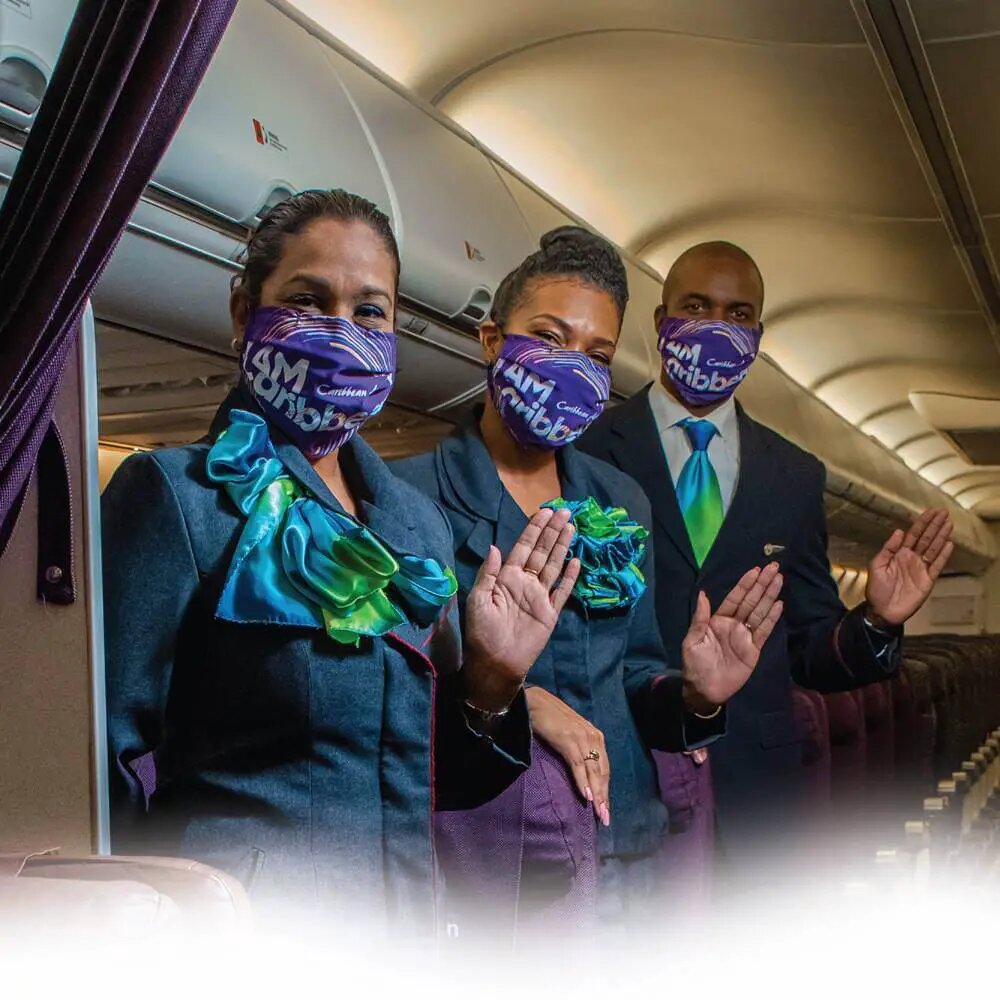
Video Credit: Jet2.com Youtube Channel Welcome to the fascinating world of airport operations! An Airport Team Leader, is just one of many exciting Tourism and Hospitality careers to choose from, this profession plays a pivotal role that ensures the smooth functioning of one of the busiest and most dynamic places on earth – an airport. As an Airport Team Leader, you are responsible for coordinating various teams and departments, overseeing operations, and ensuring that the airport runs efficiently and safely. Your day is a whirlwind of activities and challenges, where no two days are the same. Let’s dive in and experience a day in your shoes! Photo Credit: Ieyenews/ Caribbean Airlines Morning Briefing Your day starts early in the morning with a briefing session. Where you gather with the duty managers, supervisors, and other team leaders from different departments. It sets the tone for the day, as you discuss important updates, review the previous day’s performance, and highlight any potential challenges or disruptions that might affect airport operations. Tasks Include: Operational Oversight After the morning briefing, you head to the airport operations center. Here, you keep a close eye on real-time flight schedules, weather updates, and any potential disruptions.  Tasks Include: Photo Credit: Caribbean Airlines Team Coordination An essential part of your role is coordinating with various teams, including ground staff, security personnel, baggage handlers, and maintenance crews. You conduct regular check-ins with your team members, making sure they have the necessary resources and support to perform their duties effectively. Tasks Include: Handling Challenges As an Airport Team Leader, you must be prepared for the unexpected. Throughout the day, various challenges might arise, such as flight cancellations due to weather, technical issues, or security incidents. Your ability to remain calm under pressure and make quick decisions is crucial in these situations. Tasks Include: Photo Credit: WIC News/ Peter Lim Choy Continuous Improvement You analyze data on operational efficiency, customer feedback, and employee performance to identify areas that need enhancement. You work with your team to implement changes and innovative solutions to make the airport experience better for everyone. Tasks Include: Being an Airport Team Leader is a dynamic and challenging role that requires a combination of leadership skills, problem-solving abilities, and a passion for ensuring smooth airport operations. Every day is different, filled with opportunities to make a positive impact on the airport’s performance and the experience of travelers. Remember, behind every seamless airport experience there is a dedicated team working tirelessly to make it happen! If being an Airport Team Leader is a career part that excites you be sure to learn more about our Associate degree programmes and upcoming short courses for professional development.  References (2023, June 19). A Day in the Life of an Airport Team Leader [Blog post]. Airport Insights Blog. 

A Day in the Life of a Resort Flight Check-In Customer Helper

Video Credit: Jet2.com Youtube Channel Behind the scenes of every smooth takeoff and landing lies a team of dedicated individuals committed to ensuring a seamless travel experience. Among these unsung heroes are the Resort Flight Check-In Customer Helpers, the friendly faces who transform the chaos of travel into a symphony of order and hospitality.  Morning Routine: Gearing Up for Takeoff The day begins with a quick review of the day’s flight schedules. The Resort Flight Check-In Customer Helper arrives at the resort lobby, ready to embark on a day filled with adventure, challenges, and the satisfaction of making travellers’ journeys memorable. As a hospitality professional it is important to have: 1. Welcoming Smiles As the first flights of the day approach, the lobby buzzes with excitement. Customer Helpers stand by, offering up warm smiles and efficient assistance to travellers checking in for their flights. By handling luggage, verifying documents, and providing information on flight details become second nature. 2. Problem-Solving Expertise: Not every journey is without its bumps. This profession excels in problem-solving, swiftly addressing any hiccups in the check-in process. From misplaced luggage to last-minute itinerary changes, the Customer Helper is the beacon of calm, ensuring that each traveller feels heard and supported. 1. Personalized Assistance:  A Customer Helper adapts effortlessly, providing personalized assistance to families with children, solo travellers, and those with special requirements. The goal is to make every check-in experience as smooth and enjoyable as a first-class flight. 2. Coordinating with Flight Crew: Communication is key in the world of air travel. Seamless collaboration with the flight crew, through sharing essential information to ensure a synchronized operation is critical.  Sunset Moments: Wrapping Up the Day 1. Final Check-Ins: Consistency is integral as a Customer Helper it is important to remain steadfast, offering the same level of enthusiasm and dedication as they did in the morning. With the last boarding call announced, it is important to take a moment to reflect on the day’s adventures.  The life of a Resort Flight Check-In Customer Helper is a whirlwind of activity, filled with moments of joy, challenges, and the satisfaction of contributing to the success of each journey. Behind every departure gate, there’s a Customer Helper ensuring that every guest takes flight with a smile. This is one of the many professions in the hospitality and tourism sector. To explore more opportunities in this field visit the Tobago Hospitality and Tourism Institute and enrol in our associate degree programmes in Tourism Studies or Hospitality Studies for a chance to propel your chances in the dynamic world of travel!

From Farm to Fork: Nourishing Our Planet through Sustainable Sourcing in Food and Beverage

Video Credit: Lewis Kim Youtube Channel In an era where conscious consumerism is on the rise, the journey from farm to fork has evolved beyond a simple transaction. Sustainable sourcing in the food and beverage industry has become a beacon of change, illuminating the path towards a more environmentally responsible and ethically conscious culinary experience.  The Foundation: Sustainable Agriculture Photo Credit: Massy Group 1. Regenerative Farming Practices: Sustainable sourcing begins at the roots, quite literally. Embracing regenerative farming practices ensures that the land used for cultivation remains fertile and resilient. Techniques such as crop rotation, cover cropping, and minimal tillage not only protect soil health but also contribute to carbon sequestration, mitigating the impact of agriculture on climate change. 2. Biodiversity Preservation: Monoculture is a thing of the past in sustainable agriculture. Diverse ecosystems are essential for maintaining a healthy balance in nature. By preserving biodiversity, farms become more resistant to pests and diseases naturally, reducing the need for chemical interventions. This not only benefits the environment but also results in more nutritious and flavorful produce. Responsible Harvesting and Fishing: 1. Sustainable Seafood Practices: For seafood lovers, sustainable sourcing means choosing responsibly harvested fish and seafood. Supporting local fishermen that adhere to sustainable practices, such as using selective fishing gear and respecting catch quotas, ensures the health of our oceans and the longevity of marine ecosystems. 2. Fair Labor Practices: Sustainability isn’t just about the environment; it extends to the people involved in the production process. Ensuring fair wages and safe working conditions for farmers, fishermen, and laborers upholds the social aspect of sustainability, fostering a more equitable and compassionate food industry. Photo Credit: Ayanna Kinsale Transparent Supply Chains: 1. Traceability and Accountability: Sustainable sourcing involves establishing and maintaining transparent supply chains, allowing consumers to trace the journey of their food from the farm to their plate. This transparency not only builds trust but also encourages producers to uphold high standards throughout the entire process. 2. Local and Seasonal Eating: Choosing locally sourced and seasonal ingredients is a simple yet impactful way to reduce the carbon footprint of your meals. By supporting local farmers and producers, you contribute to the vitality of your community while enjoying the freshest, most flavorful ingredients available during each season. The choices we make impact not only our own well-being but the health of the planet and its communities. As consumers, we hold the power to drive positive change through our choices. Are you an aspiring chef interested in learning more and refining your cooking techniques in the kitchen? Or simply an eager student aiming to foster your learning about sustainable practices in food and beverage? Sign up for our Associate Degree programme in Food and Beverage or for professional development enrol in one of our upcoming short courses.  Let’s savor the journey from farm to fork, knowing that every conscientious decision contributes to a more sustainable and nourishing world!

How to Be a Smart Tourist: Making the Most of Your Travels Responsibly and Respectfully

Video credit: TEDx Talks Youtube Channel Traveling is an enriching experience that broadens our horizons and allows us to immerse ourselves in diverse cultures and landscapes. As tourists, we have the power to make a positive impact on the places we visit, both socially and environmentally. Being a smart tourist means traveling responsibly and respectfully, ensuring that our presence contributes to the well-being of local communities and the preservation of natural wonders. Here are some tips: 1. Research and Plan Ahead Learn about its culture, customs, and local laws. Understanding the history and traditions of the place you are visiting will not only enrich your experience but also show respect to the local community. Be sure to plan your itinerary carefully to make the most of your time and reduce unnecessary travel, which can have a negative impact on the environment. 2. Support Local Businesses Opt to support local businesses, such as restaurants, hotels, and souvenir shops, instead of international chains. By doing so, you contribute directly to the local economy and help create job opportunities for residents. Enjoying authentic cuisine and purchasing locally-made souvenirs also adds a unique touch to your trip and supports traditional craftsmanship. 3. Be Mindful of Your Ecological Footprint Conserve water and energy in your accommodation, and opt for eco-friendly transportation whenever possible. Choose walking, cycling, or public transportation to explore the destination, reducing your carbon emissions and supporting sustainable practices. 4. Respect Local Customs and Traditions Every destination has its own set of customs and traditions that are deeply rooted in its history and culture. Respect these customs, even if they may seem unfamiliar or different from your own. Dress modestly when visiting religious sites, ask for permission before taking photographs of people, and refrain from engaging in behavior that could be offensive to the local community. 5. Reduce Single-Use Plastics Plastic pollution is a global issue that affects our oceans and landscapes. As a smart tourist, make a conscious effort to reduce your use of single-use plastics. Bring a reusable water bottle, refuse plastic straws, and carry a reusable bag for your purchases. Participate in beach clean-ups or other local initiatives that aim to combat plastic waste. Photo Credit: T&TEC/ EAW 6. Engage in Responsible Wildlife Tourism If your travels include encounters with wildlife, ensure that these interactions are responsible and ethical. Avoid supporting attractions that exploit animals for entertainment purposes or engage in harmful practices. Instead, opt for reputable wildlife sanctuaries and tour operators that prioritize the well-being and conservation of animals. 7. Be Mindful of Over-Tourism Some popular destinations are struggling with over-tourism such as Tobago’s coral reefs, which can lead to environmental degradation and strain on local resources. Consider visiting less-crowded areas or traveling during the off-peak season to alleviate the pressure on these locations. Always practice the “Leave No Trace” principle.  8. Engage in Community-Based Tourism Look for opportunities to engage in community-based tourism, where you can interact with local communities, learn about their way of life, and support their sustainable development initiatives. This type of tourism fosters cultural exchange and empowers local residents to benefit from tourism in a meaningful way. Being a smart tourist is about embracing the joy of travel while being responsible and respectful to the places and people you encounter. By making conscious choices and adopting sustainable practices, you can ensure that your travels leave a positive impact and contribute to the well-being of our planet and its inhabitants.  Let’s explore the world with open hearts and mindful steps, making each journey an unforgettable experience for both ourselves and the destinations we visit. 

Tips from a Housekeeper: Maintaining a Clean and Tidy House

Video Credit: Angela Brown Cleaning Youtube Channel Maintaining a clean and tidy house can seem like a daunting task, especially with our busy lives and demanding schedules. However, with the right strategies and a little bit of effort, you can transform your living space into a haven of cleanliness and order. The Tobago Hospitality & Tourism Institute has had the privilege of collaborating with specialists in the field of hospitality and housekeeping to collect details to stimulate learning, business endeavors, and the use of various strategies to keep homes/hotels spotless. Establish a Cleaning Routine: Break down your tasks into daily, weekly, and monthly chores. Dedicate specific time slots to perform these tasks and create a schedule that works for you. Consistency is key, as regular maintenance prevents dirt and clutter from accumulating and ensures that your home always looks its best. Declutter and Organize: Start by sorting belongings into categories: keep, donate, or discard. Rid your home of unnecessary items to create more space and make cleaning easier. Organize your belongings by utilizing storage solutions and everything should have a designated place to avoid clutter build-up. Tackle One Room at a Time: By taking a systematic approach, you can pay attention to detail and achieve better results in each room. Begin with the most frequently used areas, such as the kitchen or living room, and work your way through the house/ hotel. Gather Essential Cleaning Supplies: To maximize your efficiency, gather all the essential cleaning supplies in a portable caddy or bucket. Having all your supplies readily available eliminates the need for constant backtracking, saving you time and energy. Clean from Top to Bottom: Begin with high surfaces such as ceilings, fans, and shelves, and gradually work your way down to lower areas like countertops and floors. This approach ensures that any dust or dirt that falls during the cleaning process will be addressed as you progress, preventing you from having to repeat tasks. Pay Attention to Neglected Areas: We often overlook certain areas that require regular attention such as appliances, under furniture, inside cabinets, and other often-neglected spots. These areas can accumulate dust, grime, and pests if left unattended. Devote time to tackle these forgotten corners periodically for a truly thorough clean. Develop Good Habits: It’s about cultivating good habits that contribute to an organized lifestyle. Simple practices like making the bed every morning, washing dishes immediately after use, and tidying up as you go can make a significant difference. These small habits will help you maintain cleanliness effortlessly. Involve the Whole Family: Keeping a clean and tidy house should be a collective effort. Involve your family members and assign age-appropriate tasks to everyone. Teach children the importance of cleanliness and make it a fun activity for them. With everyone pitching in, you’ll create a cleaner environment and teach valuable life skills along the way. Maintaining a clean and tidy house is an ongoing process that requires dedication and consistency. By implementing these tips and incorporating them into your lifestyle, you can achieve a pristine living space that promotes tranquility and comfort. Remember, a clean home not only enhances aesthetics but also contributes to your overall well-being. So, roll up your sleeves, embrace these strategies and enjoy the rewards of a clean and tidy house! Enroll in our Housekeeping Skills short course to learn more about industry standards and boost your professional skills with industry best-practices. Visit our website to discover more about our Hospitality Studies associate degree programmes, or email marketing@thti.edu.tt for additional information.  

Enhancing Student Learning Through Interactive Live Demonstrations

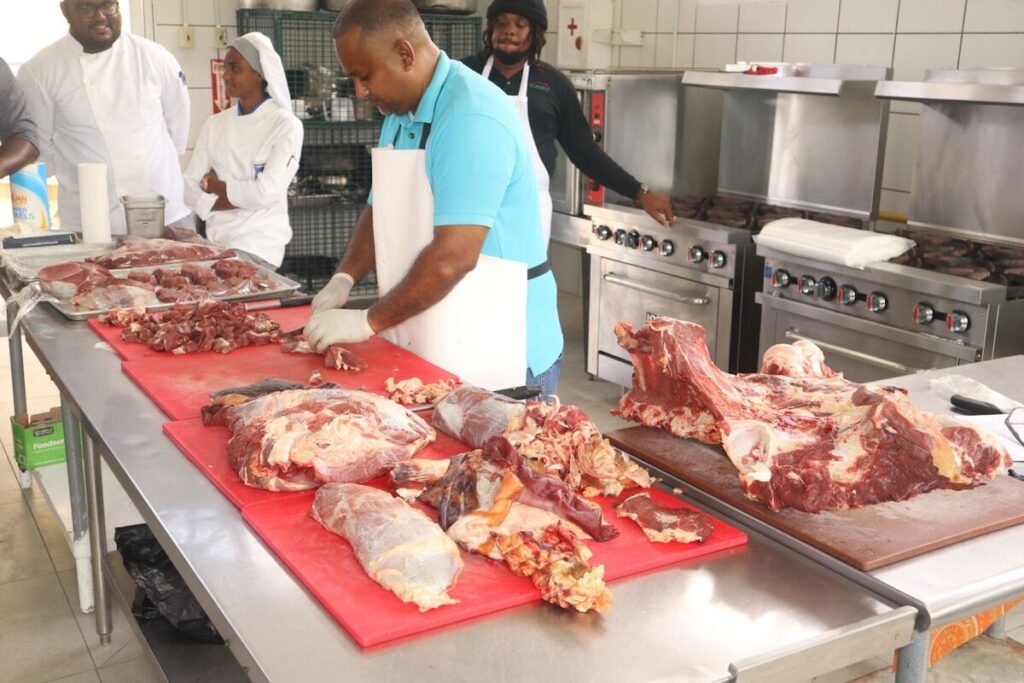
Butchery Demonstration by Mr. Jagdeo Adiram In the fast-paced world of education, educators are constantly exploring innovative ways to enhance student learning and foster a deeper understanding of complex concepts. One proven and effective method is the use of live demonstrations. These interactive experiences offer students a unique opportunity to engage their minds, connect theory with practice, and foster a deeper understanding of the subject matter.  Here at THTI, we opt to include live demonstrations in our curriculum and various fields of studies to:  Captivate Visual Learning Live demonstrations provide a captivating visual experience that textbooks and lectures alone cannot replicate. By witnessing practical applications of theoretical concepts, students can better grasp abstract ideas.   Foster Critical Thinking and Problem-Solving Skills As they observe the demonstration, they are prompted to ask questions, make predictions, and develop hypotheses. This active engagement nurtures their problem-solving skills, as they seek explanations for observed phenomena. Students are more likely to retain the knowledge due to the emotional connection and personal experience associated with the learning process.  Butchery Demonstration by Mr. Jagdeo Adiram Stimulate Multi-Sensory Learning Everyone learns differently, and live demonstrations cater to a diverse range of learning styles. These demonstrations stimulate multiple senses simultaneously – sight, hearing, and touch – enhancing information retention and comprehension. Multi-sensory experiences enable students to form vivid mental connections, leading to a deeper understanding of the subject matter. Build Engagement and Classroom Participation Live demonstrations make learning fun, which naturally increases student engagement in the classroom. When students are excited about what they are learning, they become more involved and participative during the session. The interactive nature of live demonstrations encourages students to share their observations, and collaborate with their peers.  Bridge the Gap Between Theory and Application One of the primary challenges in education is bridging the gap between theoretical concepts and real-world applications. Live demonstrations play a crucial role in addressing this issue, as they showcase how theoretical knowledge translates into practical use. Incorporating live demonstrations in the classroom is a powerful tool for enhancing student learning. As educators, we must embrace this interactive approach to education to empower our students with the skills and knowledge they need to thrive in the constantly changing world.  Let’s harness the power of live demonstrations and witness the transformation of our classrooms into centers of creativity, curiosity, and profound learning. Click the links to learn more about our immersive associate degree programmes and/or our short courses. Feel free to contact us anytime at marketing@thti.edu.tt for more information!

Embracing the Green Plate: Unveiling the Remarkable Benefits of Vegan Eating

Video Credit: AllHealthGo Youtube Channel In recent years, veganism has surged in popularity, capturing the attention of people from all walks of life. More than just a passing trend, veganism represents a conscious shift towards a compassionate, sustainable, and healthier way of living. With a diet free from animal products, veganism offers a multitude of benefits that extend beyond personal health and touch upon the well-being of our planet and animals. Advantages of a vegan lifestyle include: Corn Soup – Photo Credit: Foodie Nation Callaloo – Photo Credit: Foodie Nation Improved Health and Well-being A vegan diet typically has lower cholesterol and saturated fat content, leading to improved cardiovascular health. Plant-based foods, abundant in vitamins, minerals and fiber have been linked to a reduced risk of chronic diseases.  By focusing on nutrient-rich foods, vegans often enjoy increased energy levels, better digestion, clearer skin, and weight management.  Environmental Sustainability Animal agriculture is a significant contributor to greenhouse gas emissions, deforestation, water pollution, and depletion of natural resources. By eliminating animal products from our plates, we can significantly reduce our carbon footprint. Plant-based diets require fewer resources and are more sustainable and environmentally friendly.  Ethical Treatment of Animals One of the fundamental pillars of veganism is the promotion of animal welfare. By abstaining from consuming animal products, vegans take a stand against the cruelty often associated with factory farming and other forms of animal exploitation.  Diversity and Culinary Exploration Contrary to popular belief, veganism is far from restrictive when it comes to culinary options. In fact, it opens up a world of exciting and diverse flavours, encouraging culinary exploration and creativity. From colourful salads and hearty grain bowls to savoury plant-based proteins and decadent desserts, vegan cuisine offers a plethora of delicious alternatives. Exploring new ingredients and cooking techniques can expand our culinary horizons, making every meal an adventure.  Positive Impact on Global Hunger As the global population continues to grow, food security remains a critical issue. Surprisingly, the production of animal-based food requires significantly more resources compared to plant-based alternatives. By shifting towards a plant-based diet, there is the potential to alleviate global hunger and reduce the strain on food production systems.  The benefits of vegan eating extend far beyond personal health and resonate with various aspects of our lives. As more individuals embrace the power of their food choices, the momentum towards a vegan future continues to grow. Be conscious of the impact our plates can have and consider the incredible benefits of choosing plants over animals. Together, we can create a brighter and greener future for ourselves and generations to come. If you are interested in Veganism and want to learn more about the cooking techniques and access our delicious recipes then check out the Healthy Cuisine: Vegan Cooking short course! Sign up for our Culinary Arts Associate Degree Programme where you can become an expert in the field. For more information email marketing@thti.edu.tt or call (868) 303-5153.

Introduction Video

ACTT Accredited

Awarded Institutional Accreditation by the Accreditation Council of Trinidad and Tobago. 

History

Mission & Vision

Board of Directors

Management Team

Procurement

Student Life

Pathway Partners

Taste of Tobago TM

Celebrating 28 Years!

Generating industry leaders and professionals since September 8th 1997.

Associate Degree Programmes:

Hospitality Studies

Gain skills to enter the workforce in leadership roles in areas such as, hotels, resorts,…

Culinary Arts

Deepen your love for cooking. Learn about food technology, management and gain skills to be…

Tourism Studies

Gain knowledge and skills in areas such as product development, management, research and marketing for…

Food & Beverage Operations

Gain the skills to operate and manage a restaurant, bar or related establishment. Learn everything…

Don’t Meet Entry Requirements?

PATH THTI

This programme provides persons with introductory knowledge of the core courses. On successful completion you…

Internships

Pathway Programme

Upcoming Courses:

Tobago Industry Customer Service Training (TICST)

Get certified training by international award-winning customer service industry leader – Uplifting Service.

FREE TRAINING

Sponsored by Tobago Tourism Agency Ltd

Tour Guiding

Learn the skills to successfully start or grow a tour…

Mastering the Art of Ponche de Crème

This course will guide participants through the process of making Ponche de…

Housekeeping Skills

Improve guest experience by offering the highest standard of housekeeping services. Boost…

Develop your skills or try out an area of interest before you decide to enroll in a degree programme.

Boost your professional profile and CV by earning Certificates for every course you complete!

  1. Visit the course page.
  2. Submit the registration form.
  3. Review your Cart / Checkout.
  4. Choose a payment option.

If via Bank Transfer:

  1. Upload your proof of payment via your account dashboard.

We offer flexible options to make paying course fees easy for you!

  1. Pay Online via Credit Card
  2. Bank Transfer
  3. Debit Card (LINX) – Visit Campus

Ask about our payment plans.

Companies, Organizations or private groups can contact us for group classes on available courses.

Mobile Menu: Short Course Subscription

No Upcoming Events

Mobile Menu: Events Subscription

Latest Posts:

THTI’s Quarterly Newsletter (January – March 2026)

Learn Here, Grow Anywhere: How THTI Prepares Students for Real-World Careers

Study in Paradise. Work Anywhere: Why Regional Students Choose THTI

Become Who You’re Meant to Be: Why January Is the Best Time to Start Your Hospitality Career

Newsletter Subscribe

We bring you the latest updates, insights, and inspiration! This e-newsletter is designed to connect our community of students, alumni, partners, customers and everyone interested or passionate about the Hospitality and Tourism industries.

Sign In

Log in to access your online learning resources, view transaction history and more.