
🎄Celebrate Christmas With Us!

[aioseo_breadcrumbs]

Videos

Event Concept Development: Transforming Ideas into Reality

Video credit: Elevate Experiences Youtube Channel Events have the power to captivate, inspire, and bring people together. Behind every successful event lies a well-developed concept that transforms a simple idea into a vibrant reality. Whether you’re planning a corporate conference, a community gathering, or a social celebration, the process of event concept development is crucial to creating an engaging and memorable event experience. It is important to: Define the Purpose and Objectives: Clearly define aspects that will provide a solid foundation for the concept development process. It is important to ask, What do you aim to achieve? Is it to educate, entertain, raise awareness, or foster connections?  Understand Your Target Audience: Conduct thorough research to identify their demographics, interests, and preferences. This knowledge will guide your decisions and help you tailor the event concept to their needs. Brainstorm and Idea Generation: Gather a diverse team of creative individuals who can contribute unique perspectives and ideas. Encourage unique creativity and exploration of various themes, activities, and formats to generate a wide range of concepts. Conduct brainstorming sessions where no idea is off-limits. Theme and Concept Selection: Review the previous ideas and select a theme or concept that aligns with the event’s purpose, objectives, and target audience. It should be versatile enough to incorporate different elements, yet cohesive enough to create a unified experience for attendees. Create Engaging Experiences: Consider the different elements and activities that will bring your concept to life. Incorporate innovative and interactive elements that encourage participation, networking, and learning. Design an Immersive Atmosphere: Transforming a venue into a captivating atmosphere is key to enhancing the overall event experience. Pay attention to lighting, decor, signage, and other visual elements that align with the chosen theme.  Collaborate and Seek Partnerships Partner with relevant stakeholders, sponsors, vendors, and experts who can contribute to the success of your event concept. Collaborations can provide access to resources, expertise, and a wider audience reach.  Test and Refine: Before the actual event, conduct test runs, rehearsals, or pilot sessions to identify and address any logistical or operational challenges. Gather feedback from a select group of attendees or stakeholders to make necessary refinements and improvements to the event concept. Post-Evaluation and Adaptation: After the event, it is crucial to evaluate its success by measuring attendee satisfaction, reviewing feedback, and analyzing key performance indicators. Use this information to refine future event concepts and ensure continuous improvement in delivering exceptional experiences. Event concept development is a dynamic and iterative process that involves understanding your audience, generating creative ideas, and bringing them to life. By following these key steps, you can transform your initial ideas into a captivating event that exceeds expectations. A well-developed concept forms the foundation for an immersive and memorable event experience that leaves a lasting impact on attendees. Continue learning about event planning! Participate in our upcoming short courses below!

Immersive Travel: Exploring the Future of Tourism with Virtual Reality and Augmented Reality

Technological advancements have revolutionized the way we experience and interact with the world around us. Virtual Reality (VR) and Augmented Reality (AR) have emerged as powerful tools that are reshaping various industries, and the tourism sector is no exception. With the ability to transport individuals to remote destinations, offer realistic experiences, and enhance the exploration of real-world locations, VR and AR are transforming the way we travel. VR: Exploring the Unreachable Due to its immersive and interactive nature, this technology has opened up a world of possibilities for the tourism industry, enabling people to explore places they may have never visited before or those that are inaccessible due to various reasons. Imagine wandering through the ancient ruins of Machu Picchu, swimming with dolphins in the Great Barrier Reef, or strolling along the bustling streets of Tokyo, all from the comfort of your own home. This level of immersion enhances travelers’ understanding and connection with different cultures, landmarks, and natural wonders, fostering a sense of curiosity and wanderlust. AR: Enhancing Real-World Experiences While VR immerses users in virtual environments, Augmented Reality overlays digital information onto the real world, creating a blend of virtual elements and real-life surroundings. AR applications have immense potential to enhance travel experiences by providing interactive and informative overlays that enrich travelers’ perception of their surroundings. AR can provide real-time translations, historical reenactments, interactive maps, and even virtual guides that accompany tourists during their exploration. By offering context-specific information and engaging experiences, AR enables travelers to delve deeper into the culture and history of a destination, elevating their overall journey. Benefits for the Tourism Industry The integration of VR and AR in the tourism industry brings numerous advantages for both travelers and destinations: a. Increased Accessibility: By virtually visiting destinations, individuals can experience the joy of exploration regardless of their circumstances. b. Enhanced Pre-Trip Planning: VR and AR enable potential travelers to preview destinations, accommodations, and attractions, helping them make informed decisions when planning their trips.  c. Cultural Preservation: Through immersive experiences, these technologies can recreate historical sites, endangered ecosystems, and ancient artifacts, ensuring their legacy and allowing future generations to learn and appreciate them. d. Marketing and Promotion: They enable immersive advertising campaigns, captivating potential tourists by showcasing unique experiences and attracting them to visit in person. Virtual Reality and Augmented Reality are transforming the tourism industry, providing unparalleled opportunities for exploration, education, and connection with the world. These technologies bridge the gap between physical travel and virtual experiences, enabling individuals to discover and appreciate new destinations from anywhere in the world.  Start your journey towards a career in the dynamic field of tourism, with an Associate Degree in Tourism Studies at the Tobago Tourism and Hospitality Institute (THTI) today! Email marketing@thti.edu.tt for more information. Access Student Application Form here.    

Unlocking the World: Top Benefits of Learning a New Language for Tourism and Hospitality Students

The ability to communicate in multiple languages has become an invaluable skill, particularly for students pursuing careers in tourism and hospitality. Whether working in hotels, resorts, travel agencies, or international destinations, these professionals interact with diverse cultures and travelers from around the globe.  Becoming bi-lingual or multi-lingual allows you to strengthen the relationship between employees and guests as most tourism products and services are generally abstract and possess a human factor. Use of this skill tends to improve the overall travel experience as the presence of a language barrier often reduces the value of various travel experiences. Enhanced Communication: It enables tourism and hospitality students to break down language barriers and engage more effectively with guests from different parts of the world. By speaking their language, professionals can provide personalized services and address concerns, while creating a positive and memorable experience for visitors overall increasing satisfaction.  Cultural Understanding: It exposes the rich tapestry of cultural nuances, customs, and traditions associated with it. This understanding helps tourism and hospitality professionals appreciate and respect diverse cultural practices, allowing them to tailor their services to meet the unique preferences and needs of international guests. These sensitive interactions can make visitors feel welcomed and valued, fostering a positive perception of the destination or establishment. Increased Professional Opportunities: Fluency in multiple languages opens doors to a wide range of professional opportunities in the tourism and hospitality industry. As global travel continues to surge, companies seek employees who can effectively communicate with international clients and adapt to diverse market demands thereby granting them the benefit of a competitive edge. Professional Networking: Language proficiency allows students to engage with professionals from different countries, attend international conferences, and participate in global events. By expanding their network, students can gain insights into industry trends, share knowledge, and develop collaborative partnerships, which can open doors to exciting career prospects and cross-cultural collaborations. Personal Growth and Adaptability: Tourism and hospitality students who undertake language learning experience personal growth, as they develop problem-solving skills, improve memory retention, and enhance their overall cognitive abilities. Furthermore, by embracing a new language, students become more adaptable and open-minded, qualities highly valued in an industry that constantly evolves and embraces change. For tourism and hospitality students, learning a new language is more than just acquiring a valuable skill. It is a transformative experience that enriches their personal and professional lives. By embracing language learning, students can unlock the world and build fulfilling careers that bridge cultures and create memorable experiences for travellers from all corners of the globe. Start your journey with our Introduction to French and/or our Conversational Spanish short courses today. If you’re interested in developing a career in this dynamic Hospitality & Tourism industry, check out our fully accredited Associate Degree programmes today!

Interview with Ms. De’Jel Quashie, Miss Heritage Personality Contestant & THTI Culinary Arts Student

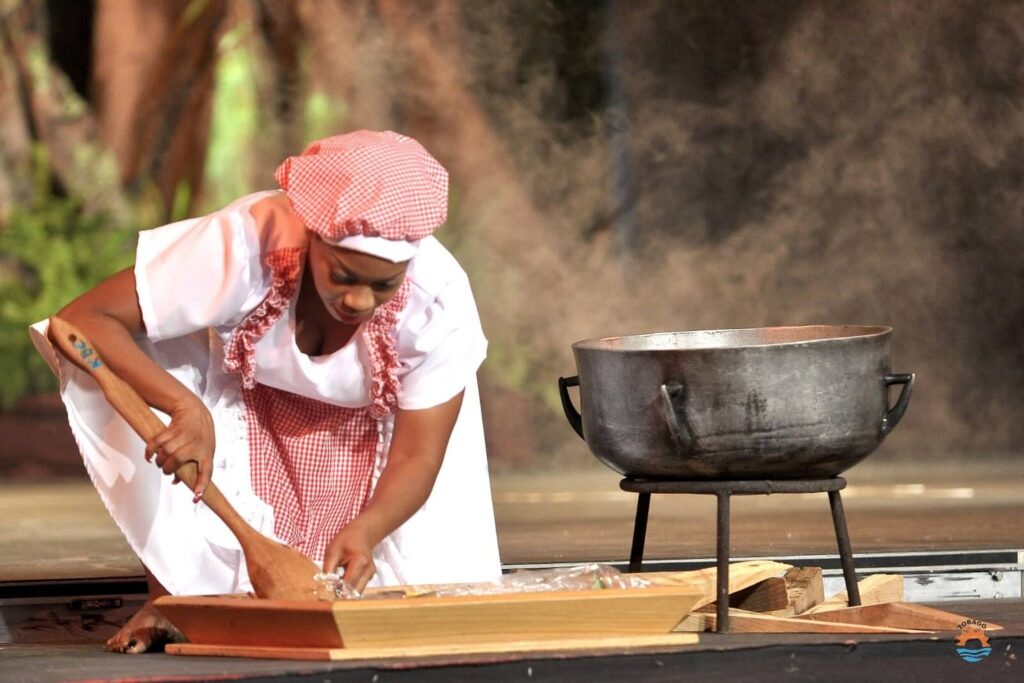
How was your experience at the Miss Heritage Personality Show? De’Jel Quashie – The Miss Heritage personality show was truly a transformative experience for me. It allowed me to interact with other delegates and also show my creative side and my culture. What has been the most exciting part so far? De’Jel Quashie – My most exciting part was at the beginning when I got to interact with the delegates and we started to share each other’s ideas and everything. That was the most exciting part for me because its somthing outside my comfort zone, and I appreciated it. How has your time at THTI influenced you? De’Jel Quashie – THTI has helped me to be more confident and interested in Culture. I thought since I’m from Tobago, I know so much about our heritage but there’s so more to learn. So I will like to thank THTI for the Tourism Studies that Ms. Smith is giving us! Do you have any advice for persons interested in following your footsteps? De’Jel Quashie – Go ahead. Do it! Put your best foot forward. Even if you’re afraid (like me) I am afraid but just pretend like the one is there. In my mind. I was like, I don’t want to say I don’t care but, I don’t care – and I just went!

Tasting History: The Cultural Significance of Creole Caribbean Cuisine

Video credit: Islander Youtube Channel Food has always been more than just sustenance. It is a powerful expression of culture, history, and identity. These characteristics are most evident within the vibrant and diverse world of Creole Caribbean cuisine. Rooted in a complex fusion of African, European, and Indigenous influences, Creole Caribbean cuisine is a celebration of the region’s history, resilience, and culture.  SOURCE: The Division of Tourism, Culture, Antiquities and Transportation A Fusion of Cultures Creole Caribbean cuisine is a culinary melting pot, resulting from the fusion of diverse cultural influences. The African diaspora, brought to the Caribbean staple ingredients and cooking techniques. Europeans introduced new flavors, spices, and cooking methods, while the Indigenous Caribbean populations contributed their own native ingredients and culinary practices. The blending of these cultures gave birth to a unique culinary identity that reflects the history and diversity of the region. Preserving Tradition Creole Caribbean cuisine serves as a testament to the resilience and resourcefulness of the Caribbean people. During the era of slavery, enslaved individuals adapted their traditional African recipes to the limited resources available to them, resulting in the creation of new dishes and flavor profiles such as callaloo, stews, oil down and provisions. Through this innovation and a deep connection to their culinary roots, these resilient individuals preserved their cultural traditions and nourished their communities. Cultural Celebrations and Festivals:  Creole Caribbean cuisine takes centre stage during cultural celebrations and festivals. Whether it’s the lively street parties of Carnival in Trinidad and Tobago, Emancipation, the Tobago Heritage Festival, the colourful Junkanoo festival in the Bahamas, or traditional Jonkonnu celebrations in Jamaica, food plays a vital role in these festivities.  SOURCE: Discover Trinidad & Tobago, 2023 Without a doubt, Africans have had the greatest influence on creole Caribbean cuisine. As a result, it is a tribute to resilience, creativity, and cultural fusion. We not only enjoy a delightful culinary experience by appreciating the flavors and comprehending the cultural significance of Creole Caribbean food, but we also appreciate centuries of history and the efforts of the individuals who have kept these traditions alive To indulge in a similar one-of-a-kind dining experience where you can savor African dishes, be sure to make a reservation at THTI’s upcoming Emancipation Luncheon dated August 1st, 2023. Our team of talented and passionate culinary students have meticulously crafted an exquisite menu of local appetizers, main courses and desserts. Tickets are limited! So don’t wait to reserve your spot, click here https://forms.gle/AUWmCjgLA5kRii8b6 to make a reservation. For further details feel free to contact academic.services@thti.edu.tt or (868) 379-7572 / (868) 274-5052. 

A Look into the Roles and Responsibilities of a Destination Manager

Source: Loop Travel News, 2018 Behind every successful travel destination lies a dedicated professional who orchestrates its growth and ensures a seamless experience for visitors, the destination manager. We will look into the functions and responsibilities of a destination manager in this blog article, as well as the important influence they have on the tourism sector along with ways to achieve this career path through the Tobago Hospitality & Tourism Institute. Strategic Planning and Development A destination manager is the visionary leader who shapes a location’s long-term growth and development. They establish comprehensive plans to increase the destination’s attractiveness by researching market trends and understanding tourist preferences, while still preserving the local culture. This entails working with locals, government agencies, and community stakeholders to coordinate their efforts toward a single sustainable objective.  Source: Exceptional Caribbean Source: Island Experience Marketing and Promotion Through employing various marketing techniques, including digital campaigns, social media engagement, and public relations, to raise awareness and attract a diverse range of visitors. It crafts compelling narratives and highlights unique selling points in the destination, like Tobago’s Goat Racing, Heritage Festivals, natural beauty and cuisine. Working closely with tour operators, agencies, and industry partners they ensure maximum visibility for positive media coverage and to increase tourism revenue. Visitor Experience Enhancement Ensuring an exceptional visitor experience is paramount for a destination manager. They continuously monitor customer feedback and analyze visitor satisfaction metrics to identify areas for improvement. Through collaboration with local businesses and service providers, they enhance hospitality standards, develop training programs, and implement quality assurance measures. From enhancing accommodation options and transportation networks to curating authentic local experiences, the destination manager strives to create a seamless and memorable journey for every traveler. Source: Island Girl Tours, Castara, Tobago.  Stakeholder Collaboration and Partnership Collaborating with governmental bodies, non-profit organizations, and community groups, they work towards sustainable tourism practices, preserving cultural heritage, and supporting the local economy. Through effective partnerships, destination managers can leverage shared resources, knowledge, and expertise to drive destination growth while ensuring the well-being of the community and environment. Crisis Management  In an ever-changing world, destination managers must be prepared to handle crises and unexpected challenges. Whether it’s natural disasters, health emergencies like Covid-19, or geopolitical issues, they develop contingency plans and implement risk management strategies to protect visitors and mitigate the impact on the destination. \ Source: Trinidad and Tobago Newsday The role of a destination manager is multifaceted, requiring a combination of strategic vision, marketing acumen, and collaboration skills. Their dedication and expertise are essential in navigating the ever-changing landscape of the tourism industry. As travelers continue to seek new experiences, destination managers will remain at the forefront, working tirelessly to create and promote remarkable destinations for everyone to enjoy. If you are interested in pursuing this professional path, visit THTI and discover more about our educational opportunities with our Hospitality Studies and Tourism Studies Associate degree programmes. Gain valuable insights into global travel trends, develop crucial skills in customer service and destination management, and open doors to a multitude of exciting career paths. Don’t miss out on the chance to turn your wanderlust into a thriving profession. Enroll in our associate degree programmes and embark on a journey that blends education with adventure!

Mastering the Art of Professional Networking: A Guide for Success

Video source: Indeed Youtube Channel. In today’s interconnected world, networking has become an essential skill for personal and professional growth. Building a robust network not only opens doors to new opportunities but also enhances your knowledge and fosters long-lasting relationships. Networking requires genuine effort, effective communication, and strategic approaches Before diving into the world of networking, take the time to define your goals. Clarifying your objectives will help you prioritize and focus your efforts effectively. Build a Professional Online Presence: Creating a significant online presence is essential for networking success in the digital age, simply by presenting a polished LinkedIn profile with your credentials, employment experience and career objectives. Participate actively in relevant industry groups and share useful information to show off your knowledge. Image by Freepik Attend Industry Events and Conferences: Industry conferences and events offer great chances to network and connect with like-minded people. Be proactive and friendly when taking part in events that support your objectives after conducting research. Building a strong network begins with cultivating meaningful relationships.  Be a Giver, Not Just a Taker: Consider how you may add value to others rather than concentrating simply on what you can obtain. Share business thoughts, help out when necessary, and establish connections amongst people whose skills might complement one another.  Polish Your Communication Skills: Successful networking is built on effective communication. Ask open-ended questions, participate in active listening, and present a sincere interest in the discussions you are having. When explaining your professional experience and goals, be succinct and explicit.  Professional networking demands commitment, planning, and sincerity.You may develop a strong network that advances your career by having clear goals, developing a strong online presence, participating in industry events, using current connections, and cultivating relationships. Always keep in mind that networking is a continuous activity.

Rethinking Single Use Plastic Products in Travel & Tourism

To read the joint WTTC & United Nations Environment Programme (UNEP) report, visit: https://wttc.org/Initiatives/Sustaina… Copyright © World Travel & Tourism Council. COVID-19 led to a proliferation of single-use plastic products (SUPPs), adding urgency to the global challenge of single-use plastic pollution, which has significant environmental impacts and negatively affects the attractiveness of destinations. Yet, the pandemic provided a unique opportunity to reflect on the changes required to build back a greener and more sustainable future. While the Travel & Tourism sector is increasingly implementing SUPP elimination strategies with the aim of moving towards more circular approaches, individual efforts are not enough. How can the sector collaborate across the value chain to ensure a transition towards reduce and reuse models in line with circularity principles as well as current and future waste infrastructures?

Scarborough Secondary Students Visit THTI For Tourism Workshop & Dining Etiquette Training

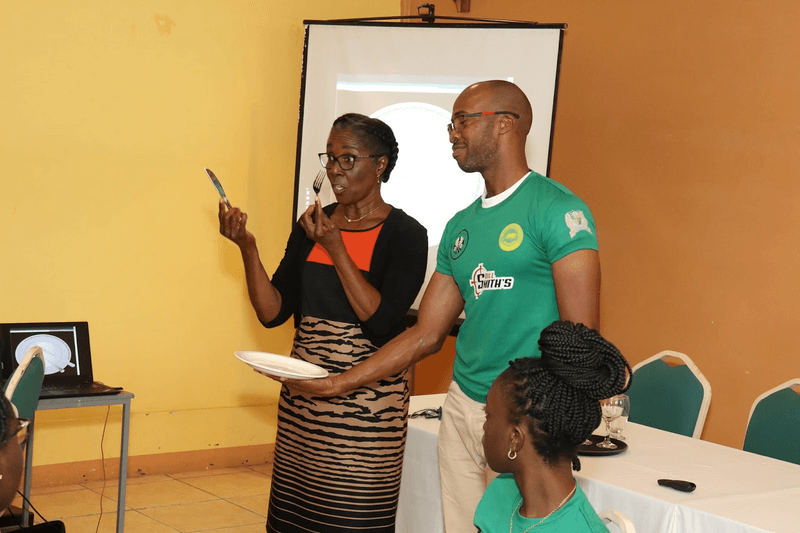
Tourism clubs in high schools are looking for new and interesting experiences to expand the knowledge and skills of their members. A uniquely crafted experience at the Tobago Hospitality and Tourism Institute (THTI) may be just the thing.  Recognizing the importance of developing well-rounded professionals, a group of ambitious high school students from Signal Hill Secondary recently embarked on a unique experience—an etiquette training session at our campus in Mt. St. George, Tobago. They were also treated to a culinary experience and it was an absolute blast! This immersive opportunity provided them with invaluable insights into the intricate world of manners, protocol, and professionalism in the tourism industry. At THTI, we believe that good manners and polite behaviour are essential for providing an excellent customer experience for tourists. A crucial component of the training focused on dining etiquette—a skill that transcends personal life into the professional realm. That’s why we offer hospitality and tourism courses that are both practical and fun.  Led by THTI’s  etiquette expert and Hospitality Lecturer, Mrs. Dianne James-Brown, the students acquired hands-on training in areas like table settings, proper use of cutlery and dining etiquette.  These lessons provided them with confidence when attending business lunches, formal dinners, or hosting events for tourists.  It was a bit intimidating at first, but with the help of our expert, they soon got the hang of it and learned how to hold their wine glasses without looking awkward The students were able to connect the importance of etiquette in the tourism industry and how it can make all the difference in providing exceptional customer service. We interviewed Melinda Alfred, a student of the Signal Hill Secondary  School who expressed delight at what she learnt in the training from the lecturer. She said, “I felt so welcome, especially when we were having the segment where we talked about etiquette. The way she interacted with us, the way that she communicated with us, the little jokes we had in between, I just loved it!” Students like Melinda now understand that customer service is critical in the tourism industry because it can make or break a tourist’s experience. Therefore, it is the responsibility of the tourism industry to ensure that their experience is as positive and enjoyable as possible. The highlight for the students was undoubtedly the buffet lunch prepared by THTI’s student chefs under the supervision of their lecturer Chef Arthur Patrick. The students came away with a newfound appreciation for the importance of good manners in the industry and some practical skills that they can use in their future careers. Plus, they had a lot of fun and great food along the way The high school students’ visit to THTI for etiquette training proved to be a transformative experience that opened their eyes to opportunities for development and success in the tourism industry. By equipping themselves with these essential qualities, these aspiring professionals are well-positioned to embark on successful careers, offering exceptional experiences to tourists and contributing to the growth and development of the industry. Find out more about tourism training and career opportunities at www.thti.edu.tt. Contact us for more information at marketing@thti.edu.tt. Our next intake for the Associate Degree Programme in Tourism Studies is coming up soon, application deadline is July 31, 2023 Access the  THTI Student Application Form here.

THTI CEO Discusses Associate Degrees, Short Courses, Internships & More! (Tobago Updates Morning Show)

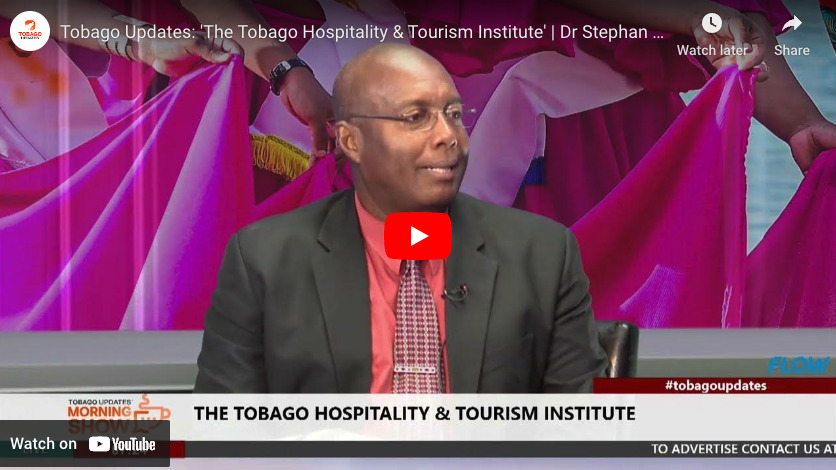
Summary: On Tuesday 14th February, 2023 Dr. Stephen Sheppard, Chief Executive Officer of the Tobago Hospitality and Tourism Institute (THTI) appeared on the Tobago Updates Morning Show to discuss the progress that THTI has made and the contributions being made towards the development of the hospitality and tourism industry in Trinidad and Tobago. Dr. Sheppard commenced the discussion by providing reassurance that THTI’s has been awarded Institutional Accreditation  by the Accreditation Council of Trinidad and Tobago (ACTT) in 2014 and 2019 and has since been able to work on maintaining quality assurances with the aim of achieving accreditation for another five years. Dr. Sheppard also gave the assurance that all courses offered by THTI are sound due to the internal quality management process that the institution has in place. He concluded the first portion of the interview by affirming  “THTI is the only Tobago-owned Tobago-based Tobago-grown tertiary education institution.” Dr. Sheppard also highlighted THTI’s 10-week PATH Programme (Preparing Adults for Transition to Higher Education). This programme is designed to offer students who have not attained all the required CXC subjects entry to apply into the Associate Degree programme. Dr. Sheppard hailed the PATH program as an opportunity to “get on with your life.”  Dr. Sheppard went on to feature the Associate Degree programmes and took the opportunity to encourage persons to consider the opportunities provided by pursuing any of programmes even though Culinary Arts is very popular. He also highlighted the internship opportunities that the programme offers, making specific mention of students that are currently in Dubai, France and countries throughout the Caribbean. THTI has a memorandum of understanding with Johnson and Wales University in Florida, St. Thomas University, Business and Hotel Management School in Switzerland (BHMS) and Institute of Tourism and Hotel Management (TOURISMUSSCHULEN SALZBURG), Germany. These agreements facilitate THTI’s associate degree graduates entry into their degree programmes.  THTI’s also maintains strong connections with Tobago schools and staff visit them regularly and participate in their career fairs. The schools are also allowed to use the THTI kitchens for practicals.   Dr. Sheppard also took the opportunity to present some upcoming courses in the Short Course Programme, such as the Art of Quick Cakes and Breads;  Bartending and Mixology; Commercial Sheep Meat Production; and Event Management which all starts in March, 2023.    When asked to highlight the THTI’s success stories, Dr. Sheppard hailed three of Tobago’s culinary masters who teach and mentor students at the institution: celebrity Chef Arthur Patrick, Chef Vergiss Lovelace who specialises in Mediterranean style cuisine and Le Cordon Bleu Chef Sonia Phillip.  In concluding his interview Dr. Sheppard reiterated THTI’s commitment to developing the human resource capacity of the tourism industry in Tobago when he  announced that the institution is currently working on becoming registered with the National Training Agency, with the intention of facilitating more skills training so that persons can gain employment such as becoming skilled housekeepers. THTI is working on offering Prior Learning and Assessment Recognition (PLAR) programmes. Dr. Sheppard also spoke of the free Tobago Customer Service Training (TICST) that the THTI is currently offering in partnership with the Tobago Tourism Agency Limited to position Tobago as a tourist destination known around the world for providing exceptional customer service. For more information or to register for the TICST programme contact 313-0456 or email customer.service@thti.edu.tt

Introduction Video

ACTT Accredited

Awarded Institutional Accreditation by the Accreditation Council of Trinidad and Tobago. 

History

Mission & Vision

Board of Directors

Management Team

Procurement

Student Life

Pathway Partners

Taste of Tobago TM

Celebrating 28 Years!

Generating industry leaders and professionals since September 8th 1997.

Associate Degree Programmes:

Culinary Arts

Deepen your love for cooking. Learn about food technology, management and gain skills to be…

Food & Beverage Operations

Gain the skills to operate and manage a restaurant, bar or related establishment. Learn everything…

Hospitality Studies

Gain skills to enter the workforce in leadership roles in areas such as, hotels, resorts,…

Tourism Studies

Gain knowledge and skills in areas such as product development, management, research and marketing for…

Don’t Meet Entry Requirements?

PATH THTI

This programme provides persons with introductory knowledge of the core courses. On successful completion you…

Internships

Pathway Programme

Upcoming Courses:

Tobago Industry Customer Service Training (TICST)

Get certified training by international award-winning customer service industry leader – Uplifting Service.

FREE TRAINING

Sponsored by Tobago Tourism Agency Ltd

Bed Making & Towel Creations

This short course is designed to provide participants with professional-level…

Customer Service Training

This training is designed to sensitize both public and private…

Homestead Farming

This course equips persons with the knowledge and skills to…

Develop your skills or try out an area of interest before you decide to enroll in a degree programme.

Boost your professional profile and CV by earning Certificates for every course you complete!

  1. Visit the course page.
  2. Submit the registration form.
  3. Review your Cart / Checkout.
  4. Choose a payment option.

If via Bank Transfer:

  1. Upload your proof of payment via your account dashboard.

We offer flexible options to make paying course fees easy for you!

  1. Pay Online via Credit Card
  2. Bank Transfer
  3. Debit Card (LINX) – Visit Campus

Ask about our payment plans.

Companies, Organizations or private groups can contact us for group classes on available courses.

Mobile Menu: Short Course Subscription

No Upcoming Events

Mobile Menu: Events Subscription

Latest Posts:

THTI’s Quarterly Newsletter (January – March 2026)

Learn Here, Grow Anywhere: How THTI Prepares Students for Real-World Careers

Study in Paradise. Work Anywhere: Why Regional Students Choose THTI

Become Who You’re Meant to Be: Why January Is the Best Time to Start Your Hospitality Career

Newsletter Subscribe

We bring you the latest updates, insights, and inspiration! This e-newsletter is designed to connect our community of students, alumni, partners, customers and everyone interested or passionate about the Hospitality and Tourism industries.

Sign In

Log in to access your online learning resources, view transaction history and more.